All You Required to Learn About Robotic Vision and Its Applications in Advanced Optical Measurement Systems
Robotic vision stands for a substantial innovation in the junction of computer system vision, artificial knowledge, and artificial intelligence. This technology enhances the accuracy of optical dimension systems, enabling real-time data evaluation and boosted quality assurance. Its influence spans several markets, from producing to medical care. The evolving landscape of robotic vision raises concerns about future capabilities and applications. What advancements lie in advance in this transformative area?
Understanding Robotic Vision: Key Concepts and Technologies
Robotic vision includes the innovations and methodologies that enable devices to interpret and understand aesthetic information from their setting. This field integrates aspects of computer system vision, expert system, and artificial intelligence to help with automatic decision-making based on visual information. Secret ideas include image processing, which entails the enhancement and analysis of pictures to remove significant functions, and object recognition, which enables devices to determine and classify objects within a scene.
The Assimilation of Robotic Vision With Optical Measurement Equipments
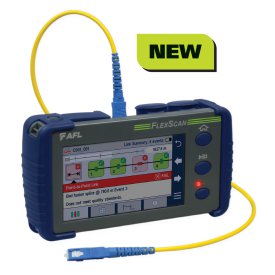
As sectors significantly demand accuracy and performance, the integration of robot vision with optical measurement systems has become a transformative strategy. This harmony enables robotics to view and analyze their surroundings, enhancing the capacity of optical measurement systems to evaluate and analyze objects with unrivaled precision. By furnishing optical sensing units with innovative imaging technologies, robotic vision makes it possible for real-time data collection and processing, helping with prompt modifications to dimension specifications.
The mix encourages automated systems to detect variations in dimensions, surface top quality, and positioning, which are critical in high quality control procedures. Enhanced formulas, such as artificial intelligence, additional augment this combination by boosting the systems' ability to adjust to different atmospheres and circumstances. The combination not just simplifies dimension procedures but likewise lessens mistakes, ensuring that products satisfy rigid market standards, thereby strengthening the function of robot vision in the future of optical measurement systems.
Applications of Robotic Vision in Manufacturing
In modern manufacturing environments, making use of vision systems has revolutionized production procedures by allowing machines to do jobs with remarkable precision and rate. Robotic vision systems are increasingly used for quality control, where they check products for defects and guarantee adherence to specifications. These systems use video cameras and progressed formulas to analyze products in real-time, considerably reducing the threat of human mistake.
In addition, robot vision promotes automation in production line, enabling robots to precisely determine elements and assemble them with marginal downtime. This modern technology likewise improves stock monitoring, as vision systems can monitor stock degrees and spot disparities, guaranteeing a smooth supply chain.
In addition, robotic vision aids in the application of clever factories, where information from vision systems can be integrated with other modern technologies to enhance workflows. Generally, the applications of robot vision in making show its crucial function in boosting effectiveness, high quality, and performance across numerous sectors
Robotic Vision in Health Care: Reinventing Client Treatment
In recovery, robotic vision help in checking person progression and customizing therapy sessions to individual needs. It sustains clinical experts by automating jobs such as information collection and client tracking, enabling even more time to concentrate on straight patient interaction. In addition, robotic vision enhances telemedicine by making it possible for remote medical diagnosis and virtual appointments, bridging the dig this space in between people and doctor. Overall, the application of robotic vision in health care is revolutionizing client treatment, bring about improved results, efficiency, and patient complete satisfaction.
Future Fads and Developments in Robotic Vision Technology
The fast advancement of robotic vision modern technology assures to further boost its applications throughout various industries, including health care. Future trends suggest a significant change towards including man-made knowledge and artificial intelligence, enabling systems to pick up from large datasets and enhance accuracy in time. Improved sensing unit modern technologies and deep understanding formulas are anticipated to improve object acknowledgment capabilities, enabling robotics to analyze complex environments more efficiently.

The combination of enhanced truth (AR) with robot vision will likely change how robots assist in surgical procedures and diagnostics. This synergy will certainly facilitate real-time data visualization, enhancing decision-making processes. Additionally, miniaturization of elements will lead to more portable and flexible robotic vision systems ideal for a range of tasks. As these innovations unravel, sectors will certainly witness increased automation and efficiency, solidifying robot vision as a cornerstone of cutting-edge technological solutions.
Regularly Asked Questions
What Are the Main Elements of a Robot Vision System?
The major elements of a robot vision system consist of electronic cameras for picture capture, cpus for data analysis, algorithms for analysis, and actuators for motion. Together, these components make it possible for robotics to regard and interact with their environment properly.
How Does Robotic Vision Improve Accuracy in Measurements?
Robotic vision improves dimension accuracy by using innovative imaging technologies, making it possible for exact things detection and spatial evaluation. This ability reduces human mistake, increases repeatability, and enables real-time adjustments, inevitably boosting total measurement dependability and efficiency.
What Industries Benefit The Majority Of From Robotic Vision Innovation?
Various markets profit significantly from robotic vision technology, consisting of manufacturing, medical care, agriculture, and logistics. These fields utilize boosted accuracy, efficiency, and automation, leading to improved performance and reduced functional costs in their particular procedures.
Can Robotic Vision Solutions Operate In Low-Light Issues?
Robotic vision systems can undoubtedly work in low-light problems, making use of innovative sensing units and formulas to enhance picture clarity. This capability allows them to perform effectively visit here in numerous settings, consisting of commercial and security applications, despite having marginal illumination.
What Are the Costs Connected With Applying Robotic Vision?
The expenses connected with applying robot vision differ check it out considerably, influenced by elements such as electronic cameras, software application, and combination. Added expenditures include upkeep, training workers, and prospective upgrades to existing systems, which can accumulate with time.